Shopify instead of a custom SaaS.An organic food shop, recipes and producers included, in four weeks.
Convivium sells organic food online and asked for a custom SaaS: software of its own to run its e-commerce. I proposed Shopify instead, with Liquid sections and metaobjects for everything that makes it different. In four weeks the shop was live, with recipes, producer pages and boxes, and the owner runs it alone.
Context
Convivium is an organic food e-commerce. It doesn’t only sell products: it tells who makes them and how to use them. That meant recipes, a page for every producer and boxes that bundle several products, on top of a catalogue with its filters.
The problem
The starting idea was a custom SaaS. That meant separate software rebuilding what Shopify has done well for years: catalogue, cart, checkout, payments, accounts. And then keeping it alive:
- tests to write and run on every change
- maintenance and updates, forever
- all of it spent on making an e-commerce work, not on selling more
Convivium’s value is in the recipes, the producers and the boxes. The checkout doesn’t set it apart from anyone.
What we decided
Shopify for everything standard, custom code only where it matters. Checkout, payments, hosting and updates stay with Shopify. The parts that make Convivium become structured content inside Shopify, with a theme built around them.
who uses it
- Customers on the site
- Owner, in the admin
- Owner, from Claude or ChatGPT
Shopify
Theme with custom Liquid sections
metaobjects
- recipes
- producers
- boxes
Structured content, edited from the admin.
for the owner
- skills
- guides
- 1 hour of training
checkout, payments, hosting, updates: Shopify’s
What was built
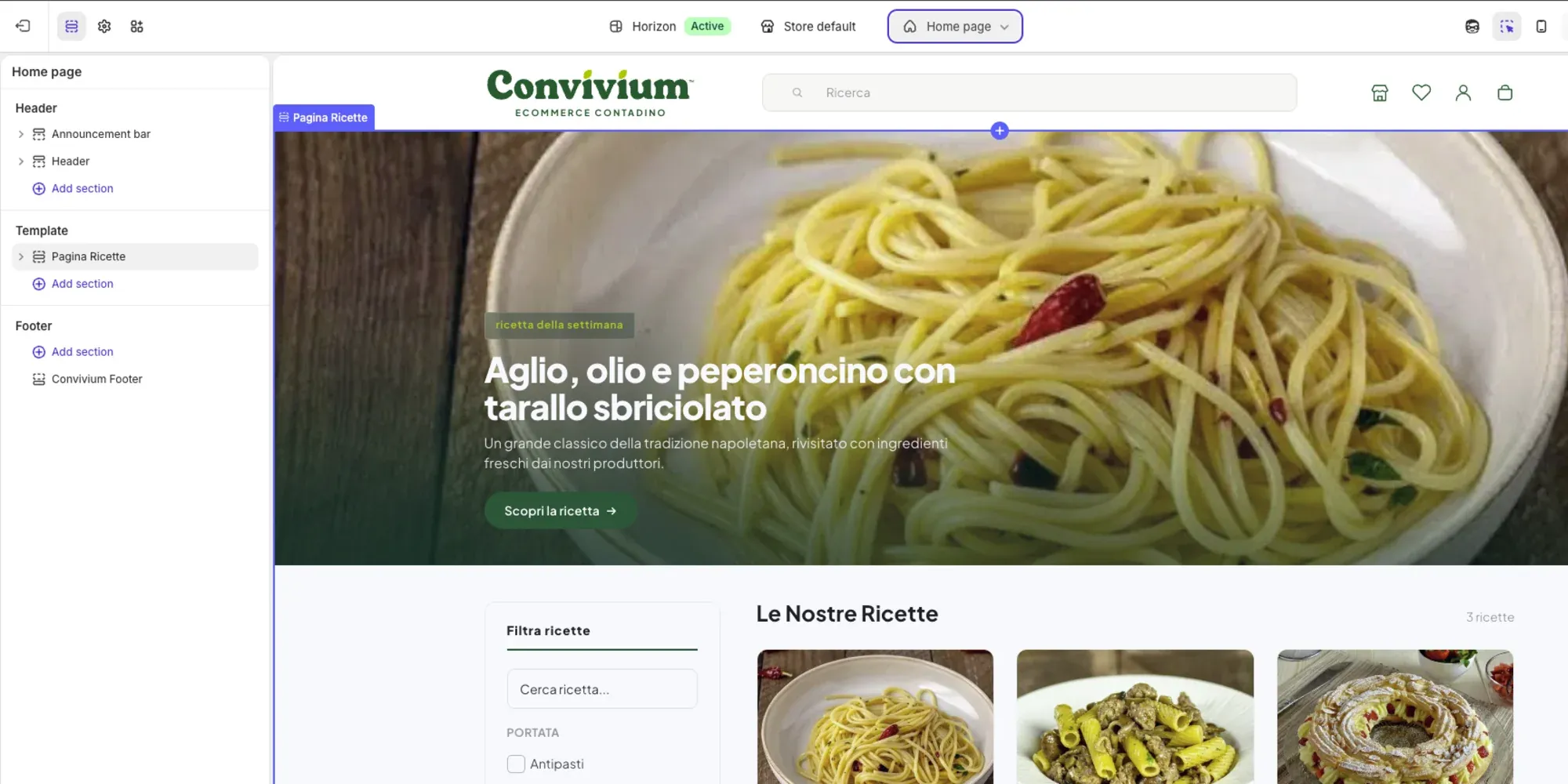
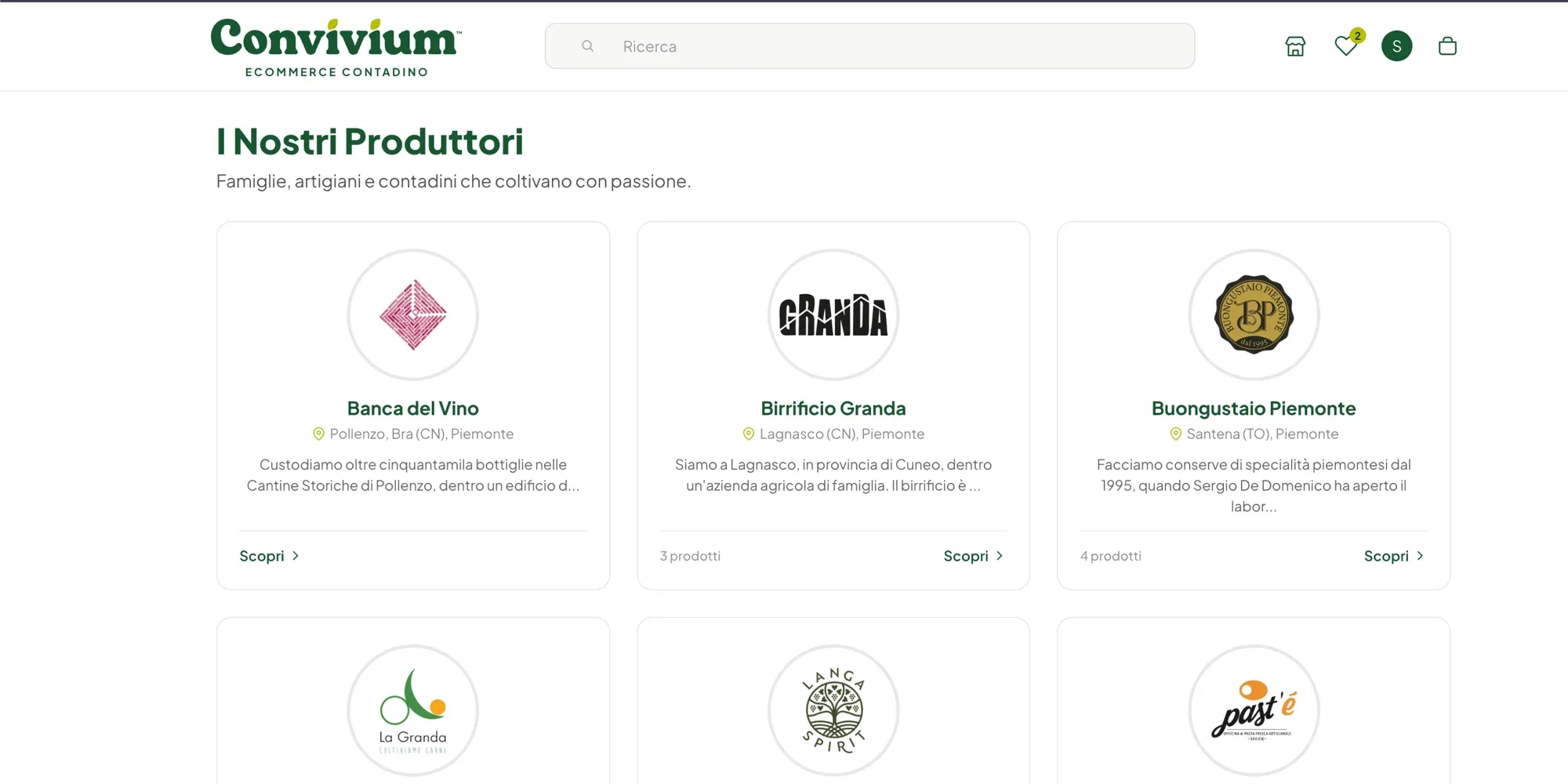
- Custom Liquid sections for the recipe, producer and box pages, editable in the theme editor.
- Metaobjects for recipes, producers and boxes, with the tooling to manage all of them from the admin.
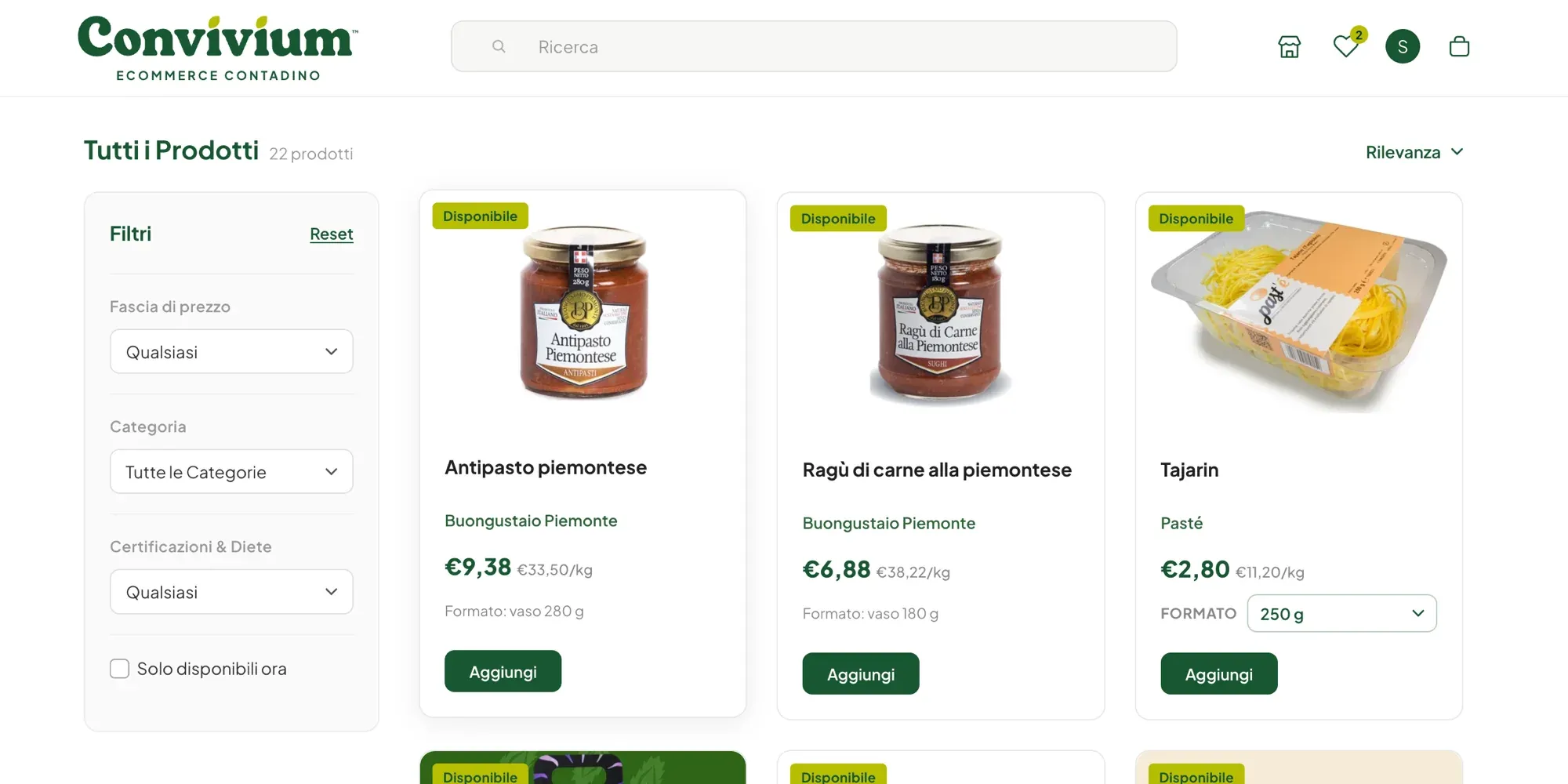
- The catalogue with filters by price, category, certification and availability.
- Skills for the owner, so the shop can be run from Claude or ChatGPT too.
- Guides on running every part of the shop, and one hour of training.
What changed
Weeks of work
4
Hours of training
1
Convivium has the features it wanted from the SaaS, on a platform that updates itself. The shop is fast and customisable, and the owner runs it alone: from the admin, from the theme editor, or by asking Claude or ChatGPT. There is no second piece of software to test, maintain and update.
What I would do again
- Start from what makes the shop different, and build only that to measure.
- Put the content in metaobjects from day one: the theme shows it, the owner changes it.
- Hand over skills, guides and training with the shop, not after.
If your shop runs on WooCommerce, PrestaShop or Magento, it’s the same reasoning as a Shopify migration. For everything else, see what I do.
What they asked for.
- A custom SaaS to sell organic food online.
- That meant rebuilding cart, checkout and payments, and maintaining them forever.
What we did.
- Shopify for everything standard.
- Liquid sections and metaobjects for recipes, producers and boxes.
- Skills, guides and one hour of training for the owner.
Questions people ask
Custom SaaS or Shopify for an online store?
If the job is selling online with your own content, Shopify already does checkout, payments, hosting and updates. A custom SaaS rebuilds all of that from scratch, and then has to be tested, maintained and updated forever.
Can Shopify handle content like recipes and producer pages?
Yes. With metaobjects every recipe, producer or box is structured content, edited from the admin, and custom Liquid sections decide how it looks in the shop.
How long does a custom Shopify store take?
Convivium took four weeks, including theme, metaobjects, skills for the owner, guides and one hour of training. It depends on how many custom features are needed.